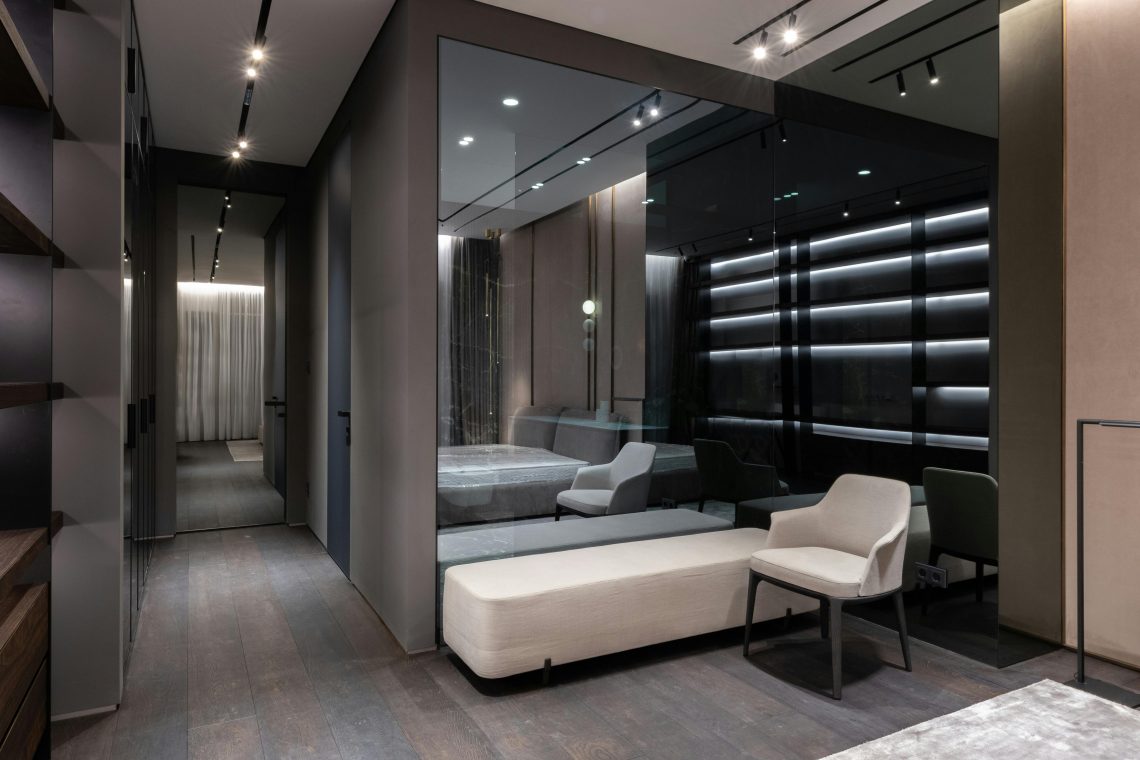

Small spaces can feel cozy and charming, but they can also feel tight and crowded if not designed well. Whether you live in a small apartment, a compact home, or just have a tiny room that needs help, there is one simple design trick that makes a big difference: decorating with mirrors.
Mirrors are one of the most powerful tools in interior design. When placed correctly, they can reflect light, create depth, and visually double the size of a room. The best part? Mirrors work with almost every style, from modern and minimalist to farmhouse and traditional.
In this guide, we’ll explore how decorating with mirrors can make small spaces look bigger, brighter, and more open. You’ll learn practical tips, placement ideas, and common mistakes to avoid.
Why Mirrors Make Small Spaces Look Bigger
Mirrors work because they reflect both light and space. When your eye sees a reflection, it tricks your brain into thinking the room continues beyond the wall.
Here’s what mirrors do in a small room:
- Reflect natural and artificial light
- Create the illusion of depth
- Make ceilings appear higher
- Visually expand narrow spaces
- Add brightness to dark corners
Unlike knocking down walls or remodeling, adding mirrors is affordable and easy. A well-placed mirror can completely change how a space feels.
Choose the Right Mirror Size
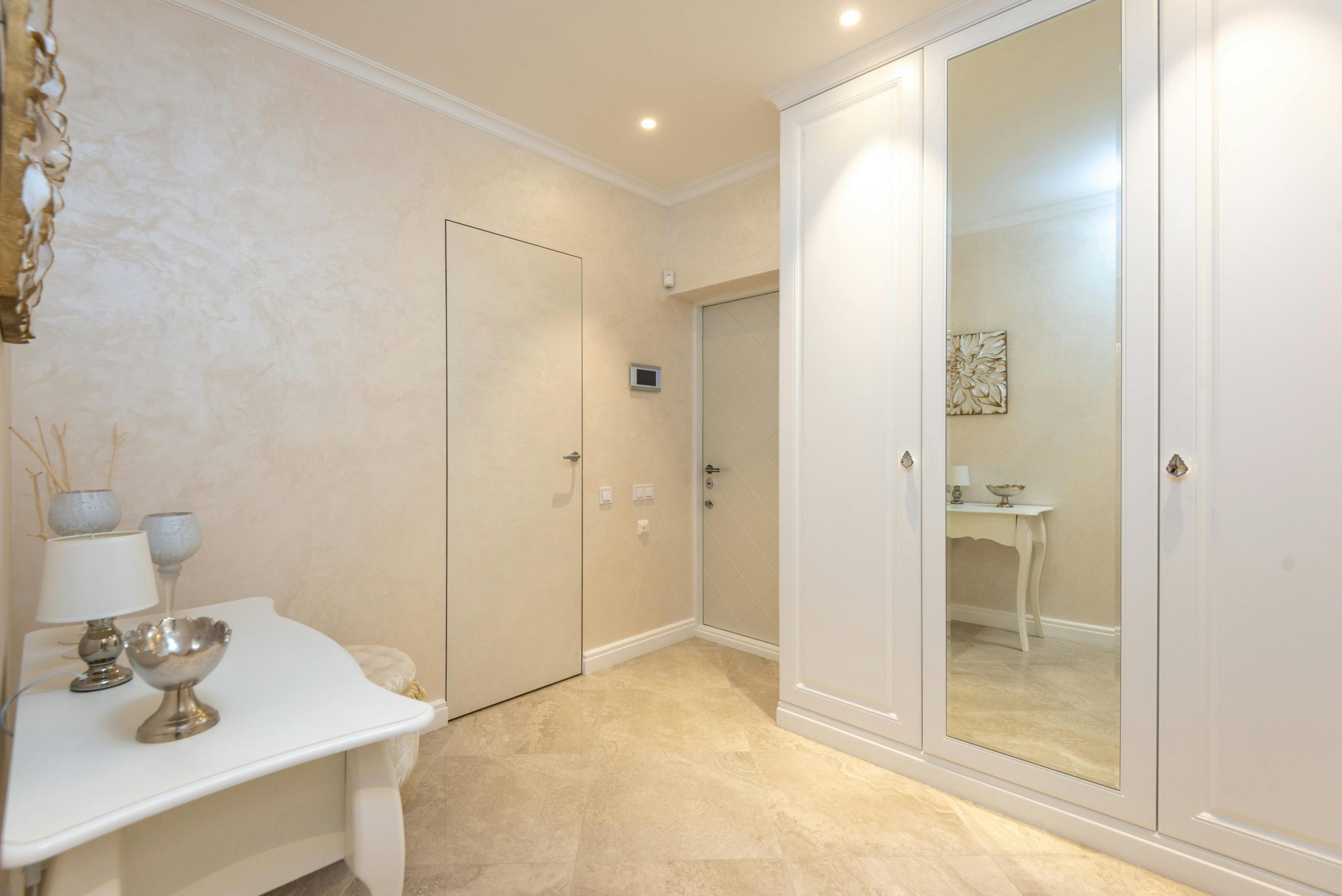
When decorating with mirrors in small spaces, size matters.
A mirror that is too small may look decorative but won’t create a strong visual impact. Larger mirrors reflect more light and more of the room, which increases the sense of space.
Here’s how to choose the right size:
- Use oversized mirrors in small living rooms.
- Choose full-length mirrors in bedrooms.
- Install wide mirrors in narrow hallways.
- Consider floor-to-ceiling mirrors for dramatic effect.
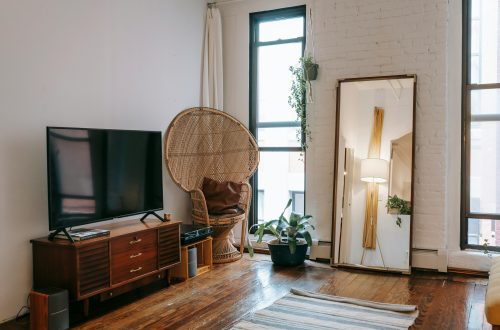
A large mirror leaning against a wall can instantly make a small room feel twice as big.
Place Mirrors Across from Windows
One of the best tricks in decorating with mirrors is placing them directly across from a window.
This placement:
- Doubles the natural light in the room
- Reflects outdoor views
- Brightens dark spaces
- Makes the room feel airy
If your room lacks windows, place a mirror near a light source such as a lamp or overhead fixture. The reflection will amplify the light and reduce shadows.
Natural light is key to making small spaces feel open and welcoming.
Use Mirrors to Widen Narrow Rooms
Long, narrow rooms can feel like hallways. Mirrors can help correct this.
To widen a narrow room:
- Hang a large horizontal mirror on one long wall.
- Use mirrored wall panels for added depth.
- Place a console table beneath the mirror to anchor the space.
The reflection creates the illusion that the room continues beyond the wall, making it feel wider than it actually is.
Create a Focal Point with a Statement Mirror
In small rooms, every design choice matters. A bold mirror can act as a focal point while still making the room feel larger.
Consider:
- A round mirror above a fireplace
- A decorative framed mirror above a sofa
- An oversized mirror behind a dining table
A statement mirror adds style and function at the same time.
When decorating with mirrors, choose frames that match your design style. For example:
- Black metal for modern spaces
- Wood frames for rustic homes
- Gold or brass for elegant interiors
Use Mirrored Furniture Carefully
Mirrored furniture can also make small spaces look bigger. Items like mirrored dressers, nightstands, or coffee tables reflect light and reduce visual heaviness.
Benefits of mirrored furniture include:
- Reflecting surrounding décor
- Creating a lighter appearance
- Adding glamour to small rooms
However, balance is important. Too many mirrored surfaces can feel overwhelming. Use mirrored furniture as accent pieces instead of filling the entire room with reflective surfaces.
Make Small Bedrooms Feel Larger
Bedrooms often have limited space, especially in apartments.
Here are smart mirror ideas for small bedrooms:
- Install a large mirror above the headboard.
- Use mirrored closet doors.
- Place a full-length mirror on the back of a door.
- Lean a tall mirror against an empty wall.
Mirrored closet doors are especially effective because they reflect the entire room, doubling the visual space.
Pair mirrors with light bedding and neutral walls for the best results.
Open Up Small Bathrooms
Bathrooms are often the smallest rooms in the house, but they benefit greatly from mirrors.
Instead of using a small medicine cabinet mirror, consider:
- Installing a wide mirror that spans the vanity
- Using a frameless mirror for a seamless look
- Adding backlighting behind the mirror
Large mirrors make bathrooms feel more open and luxurious.
For extra impact, combine mirrors with:
- Bright lighting
- Light-colored tiles
- Glass shower doors
These design choices work together to eliminate visual barriers.
Reflect Beautiful Views and Decor
Mirrors reflect whatever is in front of them. This means placement is key.
Always reflect something attractive, such as:
- A window with a view
- A stylish light fixture
- Artwork
- A plant or greenery
Avoid reflecting clutter or blank walls. The mirror should enhance the room, not highlight mess or empty space.
When decorating with mirrors, think about what the mirror will show before hanging it.
Use Mirrors to Raise Low Ceilings
Low ceilings can make rooms feel cramped. Vertical mirrors can help.
To create the illusion of height:
- Use tall, narrow mirrors.
- Install mirrors vertically instead of horizontally.
- Place mirrors that extend upward toward the ceiling.
This draws the eye upward and makes ceilings appear taller.
You can also combine mirrors with vertical design elements like tall curtains or vertical wall paneling.
Try a Mirror Gallery Wall
Gallery walls aren’t just for artwork. A collection of smaller mirrors can add character while expanding space.
For a mirror gallery wall:
- Mix different shapes and sizes.
- Keep frames in the same color for a cohesive look.
- Arrange them symmetrically for a clean style.
This works especially well in entryways and hallways.
The multiple reflections create depth and movement in small areas.
Avoid Common Mirror Decorating Mistakes
While decorating with mirrors can dramatically improve a small space, the wrong placement or design choice can reduce their impact. Mirrors should enhance your room, not create distraction or imbalance. Understanding common mistakes will help you use them more effectively.
Here are some errors to avoid and why they matter:
Hanging Mirrors Too High
One of the most common mistakes is placing a mirror too high on the wall. When a mirror is hung above eye level, it may reflect only the ceiling instead of the room.
For best results:
- Hang mirrors at eye level.
- Center them above furniture like sofas or consoles.
- Make sure they reflect something attractive.
Proper height ensures the mirror adds depth and visual interest.
Using Mirrors That Are Too Small
Tiny mirrors often look like decorations rather than design tools. Small mirrors don’t reflect enough light or space to make a noticeable difference.
Instead:
- Choose larger mirrors when possible.
- Use oversized mirrors in compact rooms.
- Match the mirror size to the wall and furniture scale.
A bigger mirror creates a stronger illusion of space.
Reflecting Clutter
Mirrors double whatever they reflect. If they face clutter, the mess will appear even larger.
Before hanging a mirror:
- Declutter the area.
- Position it to reflect windows, artwork, or plants.
- Avoid reflecting blank or unattractive walls.
Overusing Mirrored Surfaces
Too many mirrors or mirrored furniture pieces can feel overwhelming. Excess reflection may create glare and visual chaos.
Use mirrors strategically:
- Limit mirrored furniture to one or two accent pieces.
- Avoid covering every wall with reflective surfaces.
Ignoring Lighting Placement
Lighting affects how a mirror performs. Poor lighting can create harsh glare or dark reflections.
For better results:
- Place mirrors near natural light.
- Add lamps or sconces nearby.
- Avoid direct overhead glare.
Balance is key. Mirrors should complement your space, brighten it, and create depth—without overpowering your design.
Combine Mirrors with Light Colors
Mirrors work best when paired with light-colored walls and furniture.
Light colors:
- Reflect more light
- Create openness
- Make reflections brighter
Try combining mirrors with:
- White walls
- Soft gray tones
- Beige or cream accents
- Pale wood finishes
Dark walls can still work, but they absorb more light, reducing the mirror’s effect.
Use Floor Mirrors for Flexibility
Floor mirrors are versatile and renter-friendly. You don’t need to drill holes in the wall.
Benefits of leaning mirrors:
- Easy to move
- No permanent installation
- Strong visual impact
- Modern and stylish appearance
Place a floor mirror in:
- Living rooms
- Bedrooms
- Entryways
Make sure it’s stable and secure for safety.
Decorating with Mirrors in Small Apartments
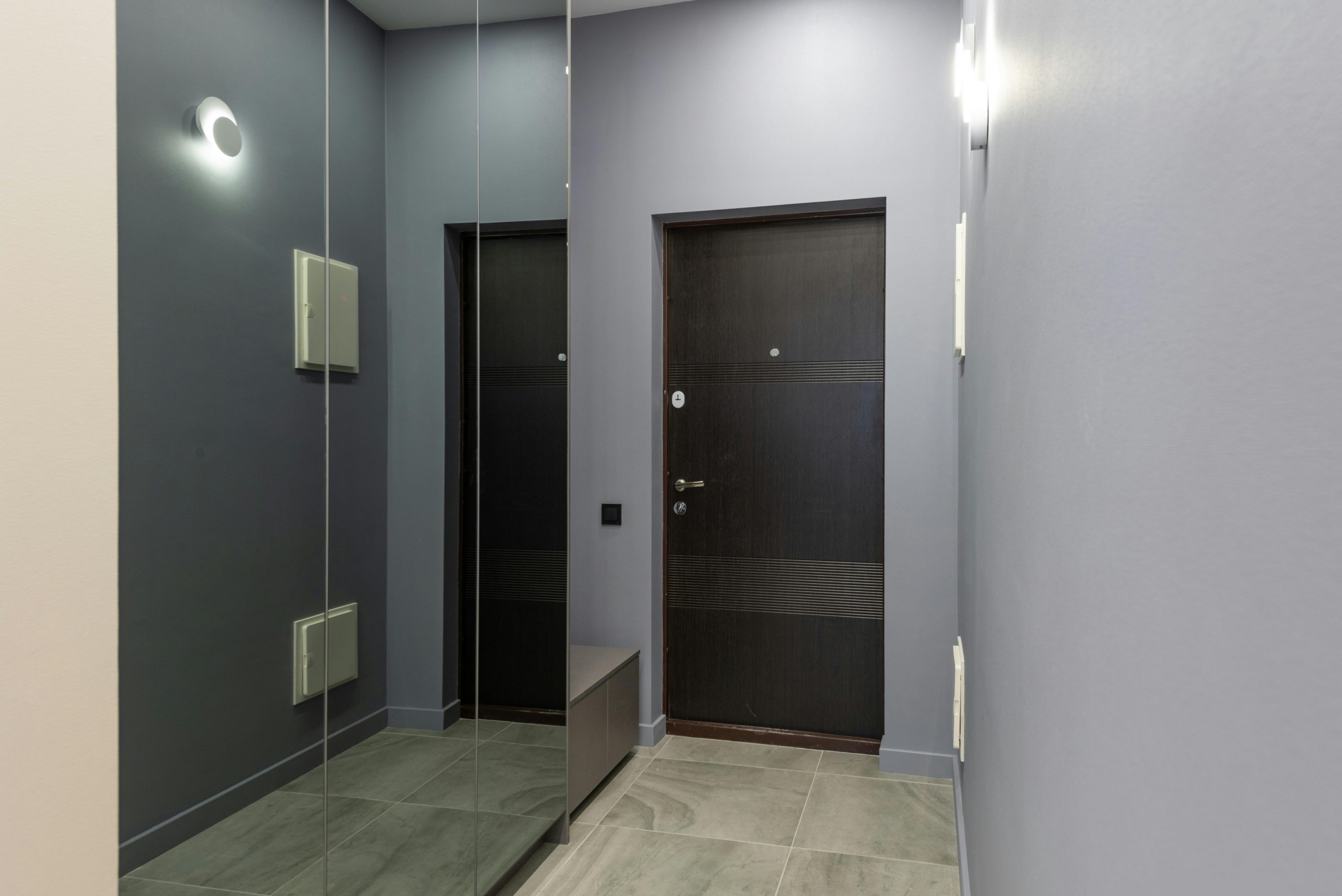
Apartment living often means limited square footage. Mirrors are especially useful in these spaces.
Smart ideas include:
- Mirrored backsplashes in kitchens
- Large mirrors in dining areas
- Mirrored wardrobe doors
- Entryway mirrors to brighten tight spaces
In studio apartments, mirrors can even help define zones by reflecting different areas of the room.
Layer Mirrors with Lighting
Lighting and mirrors work together to enhance small spaces.
Try:
- Wall sconces beside mirrors
- Backlit LED mirrors
- Table lamps placed near mirrors
- Pendant lights reflected in mirrors
The reflection multiplies the light, reducing dark corners.
Good lighting makes the illusion of space even stronger.
Final Thoughts on Decorating with Mirrors
Decorating with mirrors is one of the easiest and most effective ways to make small spaces look bigger. With the right placement, size, and lighting, mirrors can completely transform how a room feels.
To recap:
- Use large mirrors for maximum impact.
- Place mirrors across from windows.
- Reflect light and attractive features.
- Avoid reflecting clutter.
- Pair mirrors with bright colors and good lighting.
You don’t need major renovations to create a spacious look. Sometimes, a single well-placed mirror is enough to make a dramatic difference.
Whether you’re refreshing a small bedroom, upgrading a tiny bathroom, or styling a compact apartment, mirrors can help you create a brighter, more open home.
Small spaces don’t have to feel small. With thoughtful design and smart mirror placement, you can make any room feel bigger, lighter, and more inviting.