
Transitioning from a suburban neighborhood to a rural homestead is one of the most rewarding moves you can make, but it comes with a steep learning curve. When you own a rural property, you are no longer just a homeowner; you are the utility director, land manager, and chief maintenance officer of your own personal infrastructure. There are no municipal water departments to fix a broken line, no city sewer systems to sweep away waste, and no public works crews to clear private access roads after a storm. Self-reliance is the bedrock of rural living, and achieving peace of mind requires a shift from reactive repairs to proactive stewardship.
Taking on a large acreage, multiple outbuildings, and off-grid utility systems can feel overwhelming for a newcomer. However, systematic property maintenance breaks down into predictable, manageable tasks. By establishing routine inspection schedules and knowing how every system operates, you protect your long-term investment, preserve your land’s natural resources, and prevent minor issues from turning into multi-thousand-dollar emergencies.
Managing Off-Grid Water and Wastewater Systems

Owning private utilities means that clean water and safe waste management depend entirely on your diligence. Unlike municipal infrastructure, private wells and septic systems require active oversight, consistent testing, and immediate intervention at the first sign of mechanical stress.
Maintaining Private Well Infrastructure
Your water well is the lifeline of your homestead. The system relies on a submerged pump, a pressure tank, and filtration units to deliver fresh water to your fixtures. Protecting this network starts at the wellhead. Ensure the well cap is securely sealed and sits at least 12 inches above the surrounding ground level to prevent surface runoff from washing contaminants into your supply.
- Test Water Quality Annually: Sample your water every spring for coliform bacteria, nitrates, heavy metals, and total dissolved solids. Local extension offices often offer affordable testing kits.
- Monitor Pressure Tank Cycles: Pay attention to how often your pump turns on. If the pump cycles on and off rapidly whenever a faucet is running, the pressure tank may be waterlogged or experiencing a ruptured internal bladder.
- Maintain Filtration Systems: Replace sediment cartridges monthly and recharge water softeners or iron filters on schedule to prevent mineral buildup inside your household pipes.
Even with meticulous care, mechanical components wear down over time. Sudden drops in water pressure, sputtering faucets, or strange clicking sounds from the control box often point to electrical failures or pump wear. Knowing when to call a professional for water well pump repair will keep small component failures from burning out the entire motor deep underground. You may also need a portable toilet rental if your bathroom needs work.
Caring for Septic and Waste Networks
A rural septic system is a delicate biological ecosystem. Everything that goes down your drains flows directly into an underground settling tank, where anaerobic bacteria break down solids before liquid effluent flows into an absorption field. Overloading this system can lead to costly soil contamination and backup emergencies.
- Conserve Water Usage: Stagger heavy water activities like laundry and dishwasher cycles across the week. Dumping hundreds of gallons into the tank in a single day can flood the drain field and flush un-dissolved solids out into the soil.
- Protect the Absorption Field: Never park vehicles, drive heavy tractors, or construct outbuildings over your septic tank or drain field. Soil compaction crushes pipes, and heavy weight can collapse the tank itself. Keep deep-rooting trees at least 30 feet away to prevent roots from invading pipe joints.
- Watch What Goes Down the Drain: Avoid garbage disposals, harsh chemical cleaners, synthetic oils, and non-biodegradable items. These destroy the beneficial bacteria required to break down household waste.
Partnering early with a dependable local septic company ensures your system receives proper preventive maintenance. Schedule professional inspections every one to three years, and have the main tank pumped out every three to five years depending on your household size and tank volume.
Securing Land Boundaries and Exterior Access
Maintaining clear physical borders and durable access paths across your acreage is critical for security, livestock management, and daily logistics. Large properties require heavy-duty structural solutions that withstand harsh weather and heavy machinery traffic.
Establishing Reliable Boundary Lines
Delineating your property boundaries prevents boundary disputes with neighbors, keeps unwanted visitors off your land, and protects your animals from straying. The type of barrier you choose must align with your property’s primary use, terrain variations, and local wildlife pressures.
- Inspect Line Trees and Fence Runs: Walk your boundaries twice a year, particularly after high winds. Clear away fallen branches, thick brush, and invasive vines that weigh down wire or rot wooden posts.
- Set Posts for Long-Term Durability: Corner posts bear the structural load of any border system. Set corner and gate posts beneath the frost line using pressure-treated timber or steel pipe anchored in concrete.
- Match Materials to Purpose: Use high-tensile smooth wire or woven field mesh for general boundary demarcation. If you keep sheep, goats, or cattle, install robust agricultural fencing to provide adequate physical retention and predator deterrence across expansive pasture edges.
Upgrading Driveways and High-Traffic Thoroughfares
Rural driveways and internal access roads take a beating from heavy utility trucks, delivery vans, and agricultural equipment. Without proper grading and surfacing, seasonal rains quickly turn dirt tracks into impassable mud pits.
- Prioritize Water Drainage: Water is the primary enemy of unpaved roads. Ensure your driveway is properly crowned in the center so rainwater sheds off into roadside ditches rather than pooling in the middle of the track.
- Apply Layered Aggregate Baselines: If maintaining a gravel road, use a layered approach. Place large angular crush at the base for structural support, topped with smaller crushed stone and stone dust that compacts tight to shed water.
- Upgrade Heavy-Use Zones: Aggregate surfaces require regular grading, weed control, and gravel replenishment. For high-traffic entrance lanes, equipment staging zones, or spaces near customer-facing farm stands, investing in commercial asphalt paving provides a long-lasting, smooth, and maintenance-free surface capable of enduring heavy vehicle weight.
Protecting Outbuildings and Primary Structures
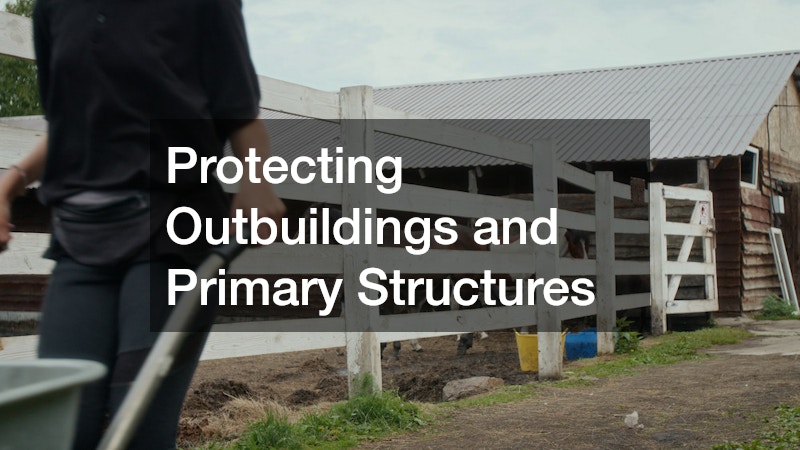
Barns, equipment sheds, workshops, and primary residences endure constant exposure to the elements. Protecting the structural envelopes of these buildings prevents moisture damage, timber decay, and structural failure.
Roof and Gutters Infrastructure Maintenance
The roof system is your primary defense against weather damage. Moisture entering a structure causes rotting rafters, ruined insulation, and mold growth long before a ceiling drip becomes visible inside.
- Clean and Clear Drainage Paths: Keep gutters, downspouts, and valley pans free of leaves, pine needles, and debris. Clogged gutters force standing water back up under the roof edge, rotting fascia boards and roof decking.
- Inspect Flashing and Penetrations: Check the metal flashing around chimneys, vent pipes, and wall intersections annually. Cracked sealant or lifted flashing is the most common source of hidden structural leaks.
- Check Metal and Shingle Integrity: On metal-roofed barns, check for backed-out screws, dried neoprene washers, and rust spots. On shingle roofs, look for curling edges, missing shingles, or heavy granule loss in the gutters, which means roof repairs are needed.
Perform thorough seasonal inspections so you can spot failing materials early. Taking care of minor roof repairs quickly prevents localized storm damage from cascading into costly interior structural overhauls.
Implementing Eco-Friendly Pest Defenses
Outbuildings and wooden residential structures are prime targets for pests seeking food and shelter. Termites, carpenter ants, and powderpost beetles cause severe structural damage if left unchecked, yet saturating your homestead with harsh chemical pesticides can harm livestock, pets, and beneficial soil organisms. You can consider professional and natural termite control.
- Eliminate Wood-to-Ground Contact: Never let wooden siding, porch posts, or framing touch bare soil. Maintain a minimum gap of 6 inches between soil and wood, using concrete piers or masonry foundations as barriers.
- Control Exterior Moisture Levels: Fix leaky hose bibs, divert downspouts at least four feet away from foundations, and improve grading around buildings. Pests are drawn to damp timber.
- Store Firewood Away from Buildings: Stack firewood off the ground on metal racks at least 30 feet from any structure. Dead firewood stacks serve as primary breeding grounds for timber-destroying insects.
Mastering Fuel, Heating, and Energy Systems
Heating a rural home efficiently requires managing self-contained fuel systems and possibly a heating oil delivery service. Unlike city properties tied to municipal natural gas lines, rural properties depend on stored liquid fuels, wood, or propane. Managing these systems demands strict safety routines and seasonal foresight.
Maintaining Residential Heating Oil Equipment
Liquid fuel systems are reliable and produce intense, comfortable heat during severe winter conditions. However, fuel burners, heat exchangers, and ignition controls require regular tune-ups to operate safely and prevent sudden breakdowns in sub-zero weather. Call heating oil services for support.
- Clean System Components Annually: Brush out soot accumulations inside the heat exchanger and combustion chamber. Soot layer buildup acts as an insulator, reducing system efficiency and forcing your system to burn significantly more fuel.
- Replace Filters and Nozzles: Change inline fuel oil filters and replace the burner nozzle before every heating season. A clogged nozzle causes incomplete combustion, resulting in dangerous smoke buildup and wasted energy.
- Inspect Exhaust Venting: Ensure chimneys, flues, and direct-vent pipes are free of soot blockages, bird nests, and rust holes. Proper draft is essential for venting carbon monoxide safely out of your home.
Establishing Reliable Fuel Deliveries and Logistics
Keeping your fuel supply secure is critical when living far from quick-service response teams. Running out of fuel during a cold snap risks frozen pipes, structural water damage, and severe safety hazards.
- Monitor Tank Gauges Regularly: Check fuel tank levels at least once a week during cold weather. Mechanical float gauges can sometimes stick, so tap the gauge lightly or use a clean measuring stick to confirm true fuel depth.
- Maintain Clear Vehicle Pathways: Delivery trucks require wide, clear access to your fuel fill pipe. Prune back overhanging branches, keep driveways cleared of heavy snow pack, and apply sand or salt to icy gradients so delivery drivers can navigate safely.
- Plan for Cold Weather Demand: Order fuel refills when your tank drops to roughly one-quarter full. Fuel companies experience high volume during cold spells, and weather events can delay delivery response times.
Managing Legacy Upgrades and Renovation Logistics

Purchasing an older rural property often means inheriting outdated infrastructure, abandoned fuel systems, or outdated utility setups. Modernizing your property involves decommissioning risky legacy components and managing short-term logistics for major land development projects.
Safely Removing Outdated Storage or Oil Tanks
Older farmsteads often feature underground or aboveground fuel storage tanks that have outlived their safe service lifespan. Abandoned fuel tanks pose severe environmental hazards, including potential groundwater contamination, soil pollution, and heavy financial liability if leaks occur, thus needing oil tank removal.
- Identify Legacy Tanks: Walk your property to spot abandoned fuel infrastructure. Look for unused vent pipes sticking out of the ground near foundations, abandoned pump stands in pastures, or rusted steel drums behind old sheds.
- Assess Environmental Risk: Underground tanks installed decades ago were often made of bare steel, which corrodes over time. Leaking oil can migrate through soil layers straight into your private drinking well or local streams.
- Never Attempt DIY Removal: Disposing of fuel tanks requires specialized equipment, degassing procedures, and strict adherence to environmental regulations. Residual fuel vapors can ignite easily if cut with standard power tools.
Handling Sanitation During Major Outdoor Projects
Developing a rural property requires major physical projects—from building new outbuildings and clearing acreage to restoring historic structures. Bringing contractors, excavators, and build crews to your land puts intense pressure on domestic facilities, especially if your primary home is currently undergoing renovations or runs on a small septic system.
The Rewards of Rural Stewardship

Transitioning to rural homeownership is a transformational journey. While managing private utilities, acreage boundaries, heating systems, and specialized outbuildings requires constant attention, the independence and peace of mind you gain far outweigh the initial learning curve.
By staying proactive, observing your systems closely, and building strong working relationships with qualified local professionals, you turn daunting infrastructure management into a smooth, rewarding routine. Taking systematic care of your property today ensures that your homestead remains safe, self-sustaining, and valuable for generations to come.