

Family life can become centered around school, work, appointments, household responsibilities, and other obligations. While those routines are necessary, families also benefit from experiences that support physical health, emotional well-being, learning, recreation, and meaningful time together. Creating a balanced lifestyle does not require filling every weekend with organized activities. Instead, families can look for opportunities that meet different needs while allowing everyone to participate at a comfortable pace.
From healthcare and personal development to recreation and community involvement, families can build routines that support both individual well-being and stronger connections. The key is finding practical ways to incorporate these experiences without turning family time into another source of stress.
Make Mental Wellness Part of Family Health Planning

Emotional well-being deserves the same thoughtful attention families give to physical health. Parents can create an environment where children feel comfortable discussing worries, changes in mood, school pressures, friendships, or other concerns. These conversations do not need to become formal or complicated. Regular check-ins during meals, car rides, or quiet time can make communication feel natural.
When a child or another family member needs more support, professional guidance may become an important part of the family’s overall approach. Families considering mental health treatments should focus on the individual’s needs, age, circumstances, and preferences rather than assuming that one approach will work for everyone.
Helpful habits include:
- Ask open-ended questions instead of demanding explanations
- Pay attention to significant changes in behavior or routines
- Give children opportunities to talk privately when appropriate
- Avoid treating emotional struggles as misbehavior
- Maintain consistent routines that provide structure
Family activities can complement emotional wellness by creating opportunities for connection, movement, creativity, and relaxation. They should not be treated as a substitute for professional care when someone needs additional support. Instead, families can view emotional health as one part of a broader lifestyle that includes supportive relationships and healthy routines.
Encourage Healthy Self-Care and Personal Development
As children grow, they naturally become more interested in personal appearance, grooming, and self-expression. Parents can use these interests as opportunities to discuss healthy self-care rather than focusing only on appearance. Conversations about hygiene, appropriate products, personal preferences, and professional services can help older children develop responsible habits.
Teenagers who become particularly interested in beauty or personal care may eventually explore these interests as potential career paths. Understanding professional requirements can help them distinguish between casually practicing a skill and providing services professionally. For example, someone considering work in nail care may need to understand what a nail tech license involves in the applicable jurisdiction.
Families can encourage responsible exploration by:
- Discussing hygiene and safe personal-care practices
- Helping teenagers research professional requirements
- Encouraging age-appropriate independence
- Talking about personal presentation without emphasizing appearance alone
- Supporting creative interests and developing practical skills
Self-care can also include activities that have nothing to do with appearance. Reading, exercising, spending time outdoors, pursuing hobbies, and taking breaks can all help family members develop healthier routines. Giving children room to discover which activities help them feel confident and comfortable can support independence as they mature.
Build Consistent Healthcare Relationships for Children
Children’s healthcare needs change as they grow, making continuity particularly useful for parents who want to keep track of development, recurring concerns, and changing routines. Establishing a relationship with a local pediatrician can give families a consistent point of contact for questions and routine care.
When choosing a provider, parents can consider practical factors that affect the family’s ability to maintain regular appointments. Location matters, but so do office hours, communication practices, appointment availability, and how the provider approaches conversations with both parents and children.
Parents may want to consider:
- How easily appointments can be scheduled
- Whether the office communicates through convenient channels
- How after-hours questions are handled
- Whether the provider explains information clearly
- How comfortable the child feels during visits
Parents can also keep a simple record of important healthcare information, including medications, allergies, previous concerns, and questions for upcoming appointments. This can make visits more productive and reduce the need to remember every detail on the spot. Consistent healthcare is one part of a larger family wellness routine that can also include nutrition, activity, sleep, and emotional support.
Teach Children Practical Digital Safety Habits

Technology is now part of everyday family life, from school assignments and entertainment to communication and social activities. Children often become comfortable with devices quickly, but familiarity does not necessarily mean they understand the risks associated with online accounts, personal information, or unfamiliar content.
Families can make cybersecurity part of ordinary household conversations rather than presenting it as a complicated technical subject. Children can learn why passwords should be kept private, why suspicious links should be avoided, and why personal information should not automatically be shared online.
Age-appropriate lessons can include:
- Creating strong and private passwords
- Recognizing suspicious messages and links
- Asking before downloading unfamiliar apps
- Limiting the personal information shared online
- Telling an adult about uncomfortable online interactions
As children become more independent, parents can gradually give them greater responsibility while continuing to discuss safe habits. Rules may need to change as children get older and use technology for different purposes.
Families should also model the behavior they expect from children. Adults can demonstrate careful handling of passwords, privacy settings, downloads, and unfamiliar communications.
Turn Learning Opportunities Into Shared Family Experiences
Family recreation does not have to be limited to physical activities. Learning together can create meaningful experiences while exposing children to ideas and subjects they may not encounter during their normal routines. Educational events can be especially engaging when they encourage participation rather than simply asking families to sit and listen.
A presentation featuring an innovative keynote speaker, for example, may introduce a subject from an unusual perspective or encourage attendees to consider a familiar issue differently. Parents can make these experiences more meaningful by talking with children afterward about what they found interesting or surprising.
When choosing educational events, families can consider:
- Whether the subject matches the children’s ages
- How long the presentation lasts
- Whether activities are interactive
- Whether the topic connects with family interests
- What opportunities exist for discussion afterward
Parents do not need to turn every educational outing into a formal lesson. A simple conversation over lunch or during the ride home can help children process what they experienced. Families can also pair presentations, museums, workshops, or community programs with other activities so the day includes a balance of learning, recreation, and relaxation.
Choose Accommodations That Support Family Routines
Travel can give families valuable opportunities to explore new places, but a poorly planned trip can quickly become exhausting. Where a family stays can affect sleep, meals, transportation, downtime, and the ease of getting to planned activities.
When comparing places to stay, families can consider the property’s location, sleeping arrangements, kitchen facilities, parking, available amenities, and proximity to activities. Families with younger children may place greater importance on convenient meal options and quiet sleeping arrangements, while older children may appreciate accommodations that provide recreational spaces or easier access to attractions.
Before booking, consider:
- How many separate sleeping areas are needed
- Whether meals can be prepared or stored
- How far the property is from planned activities
- Whether transportation will be convenient
- How much space the family needs for downtime
A realistic itinerary matters, too. Scheduling too many activities can leave everyone tired and frustrated. Building in unstructured time gives family members a chance to rest, explore independently, or simply enjoy being together without rushing to the next destination.
Add Recreation That Works Across Different Ages
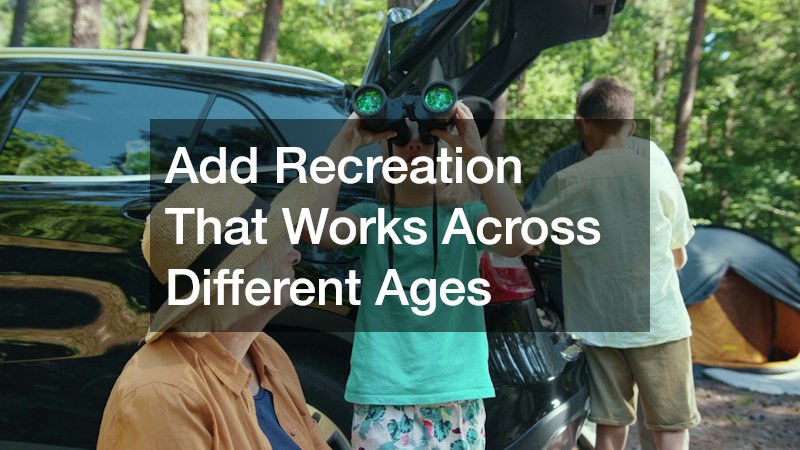
Finding activities that everyone enjoys can become more challenging as children grow older. Families do not necessarily need to find one activity that appeals equally to every person. Instead, they can look for recreational experiences that allow different skill levels and interests to coexist.
A golf simulator can be one option for families interested in trying something different, particularly when participants have varying levels of experience. Beginners can focus on learning the basics, while more experienced players can work on their skills.
When planning family recreation, consider:
- Whether beginners can participate comfortably
- Whether younger family members can safely join
- How long the activity will last
- Whether participants can choose different difficulty levels
- Whether the activity encourages interaction
Families can also rotate who chooses the activity. One weekend might involve a sport, while another could involve an art project, outdoor outing, game night, or local attraction. Giving different family members opportunities to choose can prevent one person’s interests from dominating the schedule and help everyone discover activities they enjoy.
Use Relaxation Activities to Balance Busy Schedules
Families often focus on activities that accomplish something, whether that means exercising, learning, traveling, or attending an event. However, relaxation is also important. A schedule that leaves no room for recovery can make even enjoyable activities feel like obligations.
Adults may benefit from setting aside personal time for activities that help them relax. Depending on individual preferences and circumstances, massage therapy services may be one option for incorporating dedicated relaxation into a broader wellness routine.
Families can create more balanced schedules by:
- Leaving open periods between activities
- Protecting regular sleep schedules
- Giving children quiet time during busy days
- Allowing parents time for individual interests
- Avoiding unnecessary commitments on already busy days
Relaxation does not have to mean doing nothing all day. It can simply mean slowing down enough to recover before the next activity. Families can also make quiet time part of shared routines by reading together, taking an easy walk, preparing a meal, or talking without the distraction of devices.
Strengthen Family Connections Through Community Events
Community activities can help families build relationships beyond their immediate household. Participating in local events gives children opportunities to see adults working together, meet people with different experiences, and understand how shared efforts can benefit a community.
A popoff fundraiser or similar event can provide one opportunity for family participation when the activity is suitable for the household. Parents can explain the purpose of the event and give children age-appropriate ways to contribute.
Families can make community participation more meaningful by:
- Choosing events appropriate for everyone’s ages
- Explaining the purpose behind the activity
- Giving children manageable responsibilities
- Allowing family members to suggest causes or events
- Discussing the experience afterward
Community involvement does not have to become a major recurring commitment. Occasional participation can still introduce children to new people, places, and experiences. Over time, families may discover activities that naturally become part of their shared routines and provide opportunities to contribute while spending time together.
Make Family Nutrition More Hands-On

Food can become another opportunity for families to spend meaningful time together. Involving children in planning and preparing meals gives them practical skills while making everyday routines more interactive. The responsibilities can change as children grow, allowing them to gradually take on more independence.
Parents can begin by involving children in simple decisions, such as choosing vegetables for a meal, helping create a grocery list, or selecting a new recipe to try. Older children may be able to compare ingredients, prepare portions, or take responsibility for part of a meal.
Families can make food preparation more engaging by:
- Planning meals together
- Creating a shared grocery list
- Trying one unfamiliar ingredient at a time
- Giving children age-appropriate kitchen tasks
- Preparing meals that encourage everyone to participate
Parents can also teach children how to evaluate food sources and consider where to buy raw ingredients for the meals they want to prepare. The goal is not to make every meal complicated. Simple recipes and familiar foods can be just as useful for building confidence in the kitchen.
Creating well-rounded family experiences is less about maintaining a perfect schedule and more about making thoughtful choices that support the needs of everyone in the household. Health, recreation, learning, relaxation, community participation, travel, and everyday routines can all contribute to a lifestyle that feels more balanced and connected.
The most meaningful experiences are often those that give family members opportunities to participate together while still allowing room for individual interests. By combining structured activities with flexibility and downtime, families can create routines that support well-being without adding unnecessary pressure. Over time, these small choices can become lasting habits that encourage healthier lifestyles, stronger relationships, and more enjoyable time together.