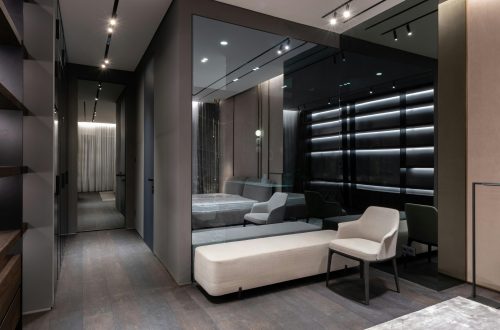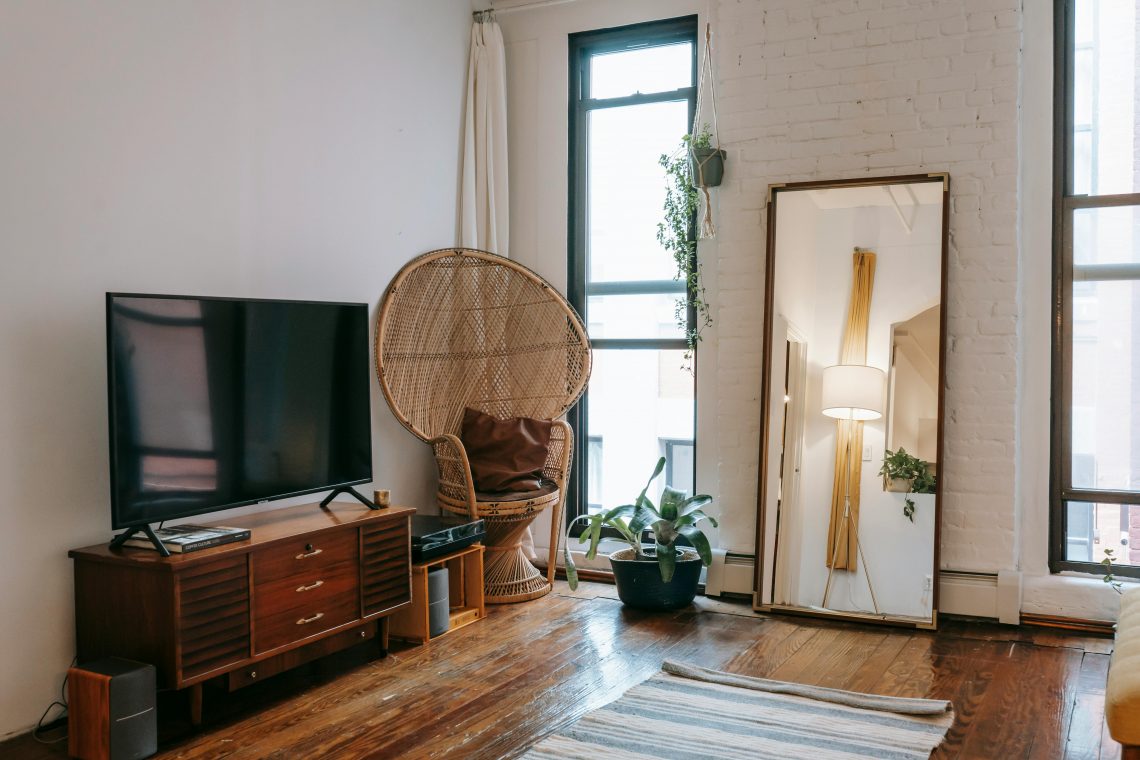

Mirrors are one of the easiest ways to transform a living room. They reflect light, create depth, and make small spaces feel larger. But many homeowners ask the same question: where to put mirrors in the living room for the best results?
Placement matters. A mirror in the wrong spot can reflect clutter or feel awkward. A mirror in the right spot can brighten the room and become a beautiful focal point.
In this guide, we’ll share 10 designer-approved ideas for mirror placement in your living room. Whether your style is modern, farmhouse, traditional, or minimalist, these tips will help you decorate with confidence.
Why Mirror Placement Matters
Before choosing a location, it’s important to understand why mirrors are so powerful in interior design.
Mirrors:
- Reflect natural and artificial light
- Create the illusion of more space
- Highlight architectural features
- Add balance and symmetry
- Serve as decorative statement pieces
However, mirrors also double whatever they reflect. That means they can amplify beauty—or clutter. Thoughtful placement ensures your mirror enhances the room instead of overwhelming it.
1. Above the Sofa
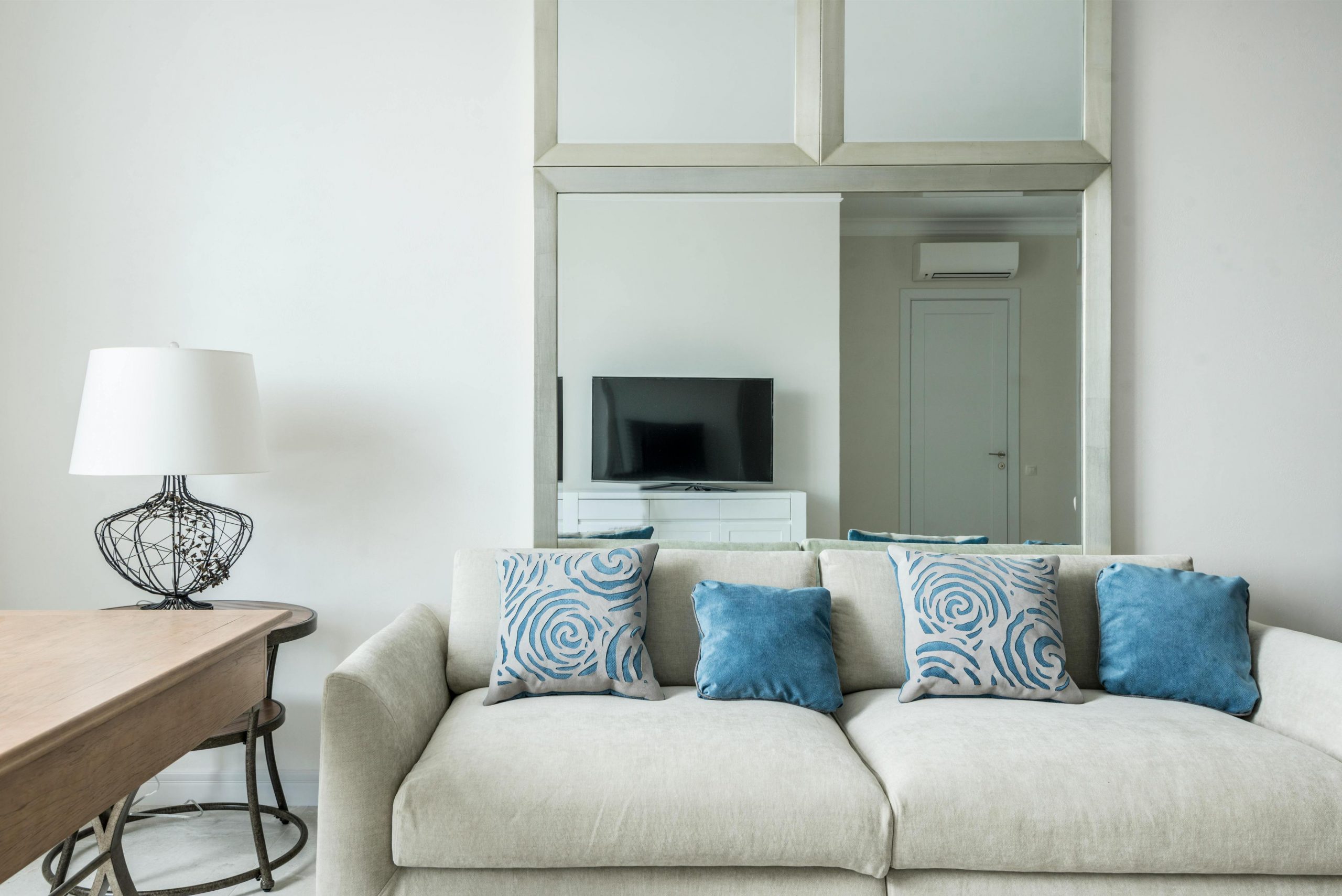
One of the most common and effective places to put a mirror in a living room is above the sofa.
This placement works well because:
- The sofa naturally anchors the space.
- The mirror fills empty wall space.
- It creates balance and symmetry.
- It draws the eye upward.
For best results:
- Choose a mirror that is about two-thirds the width of the sofa.
- Hang it 6–10 inches above the back of the couch.
- Center it carefully.
Round mirrors soften a space, while rectangular mirrors add structure. This is a safe and stylish option for most living rooms.
2. Across from a Window
If your living room has a window with a nice view or good sunlight, place a mirror directly across from it.
This is one of the most powerful tricks in decorating with mirrors.
It works because:
- The mirror doubles natural light.
- It reflects outdoor greenery.
- It brightens dark corners.
- It makes the room feel open and airy.
In small living rooms, this placement can dramatically change how the space feels.
If you don’t have a window directly across from an empty wall, place the mirror near a window to still capture light.
3. Above the Fireplace
If your living room has a fireplace, it likely serves as a focal point. Placing a mirror above the mantel enhances that feature.
Why designers love this placement:
- It draws attention to the fireplace.
- It adds height to the room.
- It creates elegance and symmetry.
You can choose:
- A large statement mirror
- A vintage-style framed mirror
- A modern frameless mirror
Make sure the mirror complements your fireplace style. For example, a rustic wood frame pairs well with a stone fireplace.
4. Behind a Console Table
A console table against a wall provides another great spot for a mirror.
This setup works well in:
- Narrow living rooms
- Open floor plans
- Entryways connected to living areas
To style this arrangement:
- Hang a large mirror centered above the console.
- Add decorative items like lamps, vases, or books.
- Keep the tabletop clutter-free.
The mirror reflects the styling and creates depth, making the space look layered and intentional.
5. On a Large Blank Wall
Sometimes, a living room has one large blank wall that feels empty. A mirror can fill that space without making it feel heavy.
Instead of artwork, try:
- An oversized rectangular mirror
- A tall leaning floor mirror
- A decorative statement mirror
Large mirrors work especially well in small living rooms because they create the illusion of expanded space.
Make sure the mirror reflects something attractive, such as a window, plant, or chandelier.
6. Next to a Window
If placing a mirror directly across from a window isn’t possible, place it beside the window instead.
This placement:
- Reflects light at an angle.
- Softens shadows.
- Brightens dark corners.
Tall mirrors placed vertically next to windows also help ceilings appear higher.
This idea works well in apartments where wall space may be limited.
7. As a Gallery Wall Accent
Gallery walls are popular in living rooms. You can include mirrors within a gallery wall design.
Here’s how:
- Mix framed mirrors with artwork.
- Use mirrors in different shapes.
- Keep frames cohesive in color or style.
The reflective surfaces add dimension to the gallery wall and prevent it from looking flat.
This approach adds personality while still helping the room feel larger.
8. Leaning Against the Wall
Leaning mirrors are a modern and flexible option. Instead of mounting the mirror, place a large floor mirror against the wall.
Benefits of this style:
- No drilling required.
- Easy to move or rearrange.
- Adds height to the room.
- Creates a relaxed, contemporary look.
This works especially well in:
- Small apartments
- Rental homes
- Minimalist living rooms
For safety, make sure the mirror is stable and secure.
9. Behind Lighting Fixtures
Another creative idea is placing a mirror behind a lamp or near a chandelier.
Why this works:
- It amplifies artificial light.
- It makes the room feel brighter at night.
- It enhances decorative lighting features.
For example:
- Place a mirror behind a table lamp on a console.
- Hang a mirror where it reflects a pendant light.
The reflected glow adds warmth and depth to your living room.
10. To Widen a Narrow Living Room
If your living room feels long and narrow, mirrors can visually widen the space.
To achieve this:
- Hang a large horizontal mirror on a long wall.
- Use mirrored wall panels sparingly.
- Position the mirror to reflect the widest part of the room.
This creates the illusion that the room extends beyond its walls.
For best results, keep furniture arrangements simple and avoid overcrowding the space.
How High Should You Hang a Mirror?
Proper height is just as important as location.
General guidelines:
- Hang mirrors at eye level.
- Leave 6–10 inches between the mirror and furniture below it.
- Center the mirror on the wall.
Avoid hanging mirrors too high, as this may cause them to reflect mostly ceiling space.
What Should a Mirror Reflect?
When deciding where to put mirror in living room, always consider what it will reflect.
Good reflections include:
- Windows and natural light
- Green plants
- Artwork
- Beautiful furniture
- Light fixtures
Avoid reflecting:
- Clutter
- Blank walls
- Messy areas
- TVs (unless intentional)
A mirror should enhance what’s already beautiful in the room.
Choosing the Right Mirror Shape
When deciding where to put a mirror in your living room, the shape of the mirror is just as important as the placement. Different mirror shapes create different visual effects and can change the overall mood of your space. Choosing the right shape helps your mirror feel intentional and balanced within the room.
Round Mirrors Soften Sharp Corners
Round mirrors are perfect for softening a room filled with straight lines and sharp edges. If your living room has:
- Boxy sofas
- Rectangular coffee tables
- Square shelving units
- Sharp architectural angles
A round mirror can add contrast and visual relief. The curved edges create a sense of flow and make the space feel more relaxed and welcoming. Round mirrors work especially well above sofas, fireplaces, and console tables.
Rectangular Mirrors Create Structure
Rectangular mirrors are classic and versatile. They provide clean lines and a structured look, making them ideal for modern, contemporary, or minimalist living rooms.
They are especially effective when:
- Hung horizontally to widen a room
- Hung vertically to make ceilings look taller
- Paired with symmetrical furniture layouts
If you want a polished and balanced appearance, a rectangular mirror is a safe and stylish choice.
Oval Mirrors Add Elegance
Oval mirrors combine the softness of a round mirror with the length of a rectangular one. They feel slightly more refined and elegant.
Oval mirrors are great for:
- Traditional or transitional interiors
- Rooms with curved furniture details
- Spaces that need a subtle decorative touch
They add gentle curves without overwhelming the design.
Arched Mirrors Create Height and Drama
Arched mirrors are very popular in modern design. The curved top draws the eye upward, making ceilings appear taller.
They are ideal for:
- Small living rooms with low ceilings
- Rooms that need a focal point
- Spaces with neutral or minimalist décor
An arched mirror can instantly add architectural interest, even if the room lacks built-in features.
No matter which shape you choose, make sure it complements your furniture, wall space, and overall design style. The right mirror shape should enhance your living room, not compete with it.
Common Mirror Placement Mistakes
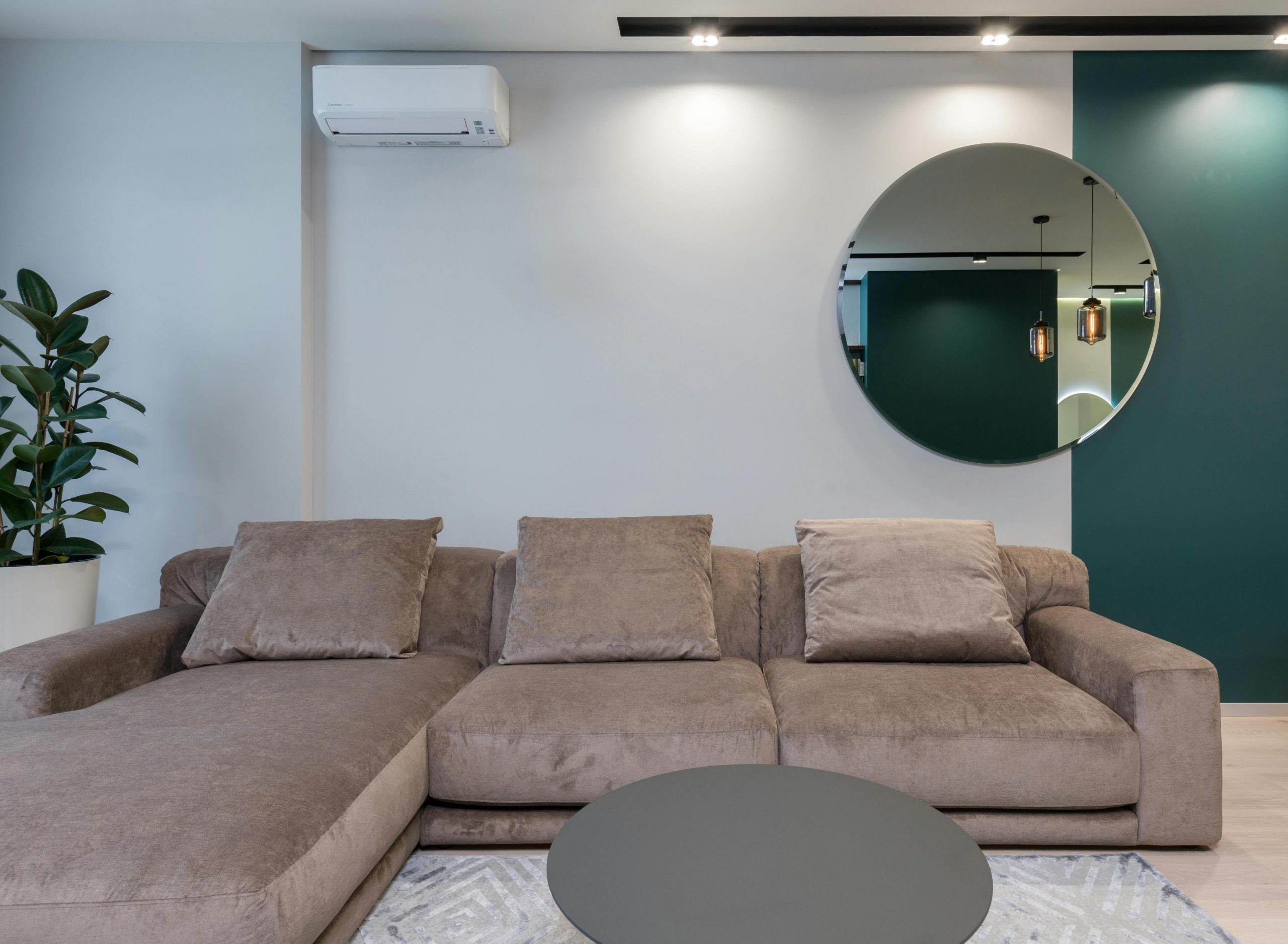
Even with great ideas, mistakes can happen.
Avoid these common errors:
- Using mirrors that are too small
- Hanging mirrors too high
- Overusing mirrored furniture
- Reflecting clutter
- Ignoring lighting placement
Balance is key. A mirror should feel intentional and integrated into the design.
Final Thoughts: Where to Put Mirror in Living Room
So, where to put mirror in living room for the best results?
The answer depends on your space, layout, and lighting. However, these designer-approved ideas offer a strong starting point:
- Above the sofa
- Across from a window
- Above the fireplace
- Behind a console table
- On a large blank wall
- Beside windows
- Within a gallery wall
- Leaning on the floor
- Behind lighting fixtures
- To widen narrow spaces
Mirrors are powerful design tools. With thoughtful placement, they can make your living room feel brighter, bigger, and more stylish.
Whether you’re refreshing your décor or designing a new space, the right mirror in the right place can completely transform your living room.